
Flea Treatment — What to Expect on the Day
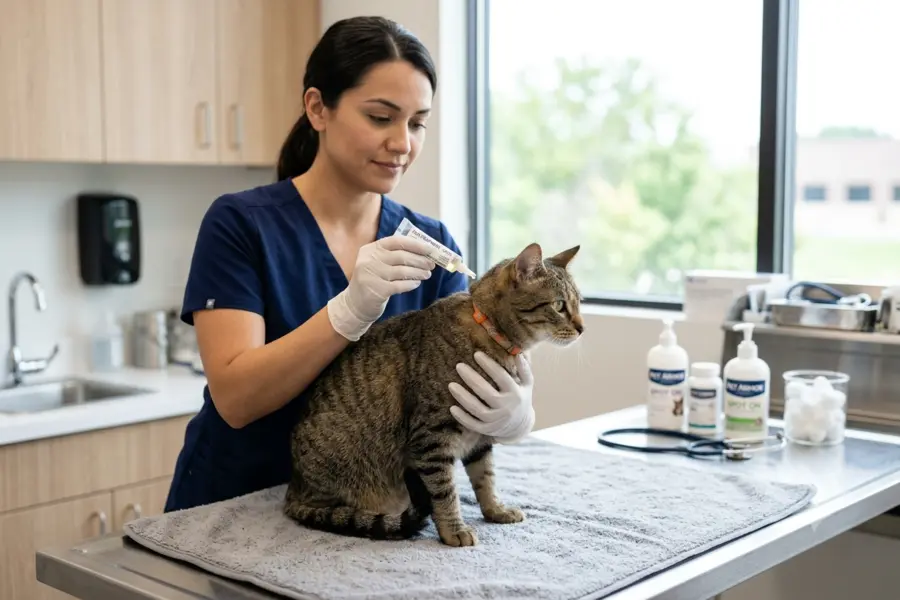
Fleas are small, but they can really overwhelm homeowners and renters in Australia. They get introduced to the home through pets, the wild or the previous infestations and then they just go crazy multiplying and become almost impossible to get rid of except with the help of professionals. Many people actually feel very uneasy as the day when pest controllers arrive nears since they are not quite sure what will be happening there. Knowing what the treatment involves can help to alleviate some stress so that you can make sure your home is prepared properly. Expert treatment for flea control treats the insect at multiple stages of its life while you, your pets and your home are protected from continued infestations.
Preparing Before Treatment
The first and most critical action for a flea elimination process is to make your home flea-free before a technician comes to treat it. You should vacuum the carpet/ rugs, upholstered furniture, and skirting boards to collect any flea eggs and larvae that may be there. Take the vacuum cleaner contents away and throw them out immediately into a sealed plastic bag and then directly into an outside trash can. If possible, you might also wash, at least, the pet’s mattress, blankets, and other soft items with the highest heat settings. Lightweight furniture can be moved away from walls if directed by your pest control professional.
Inspection And Assessment
Tackling fleas in a house often starts with a very close check-up. A technician’s ability to spot flea-infested areas is the result of their experience. By looking at such factors as carpet conditions, pets’ sleeping areas, furniture floor cracks, and outdoor shaded areas, they can locate the areas of high flea activity. They may also ask about the pets, presence of previously infested items, recent travels and wildlife nearby to obtain a comprehensive understanding of the flea infestation. This analysis gives a clear picture of infestation extent and helps determine the right treatment method. To identify flea breeding sites prior to treatment increases the overall flea control effectiveness and minimizes the risk of flea populations surviving indoors.
| Inspection Area | Why It Matters |
| Carpets and rugs | Common flea breeding areas |
| Pet bedding | High flea activity |
| Upholstered furniture | Hidden eggs and larvae |
| Floor edges and skirting boards | Fleas gather in protected spaces |
| Outdoor pet areas | Prevents reinfestation |
| Under furniture | Frequently overlooked hiding places |
How Treatment Is Applied
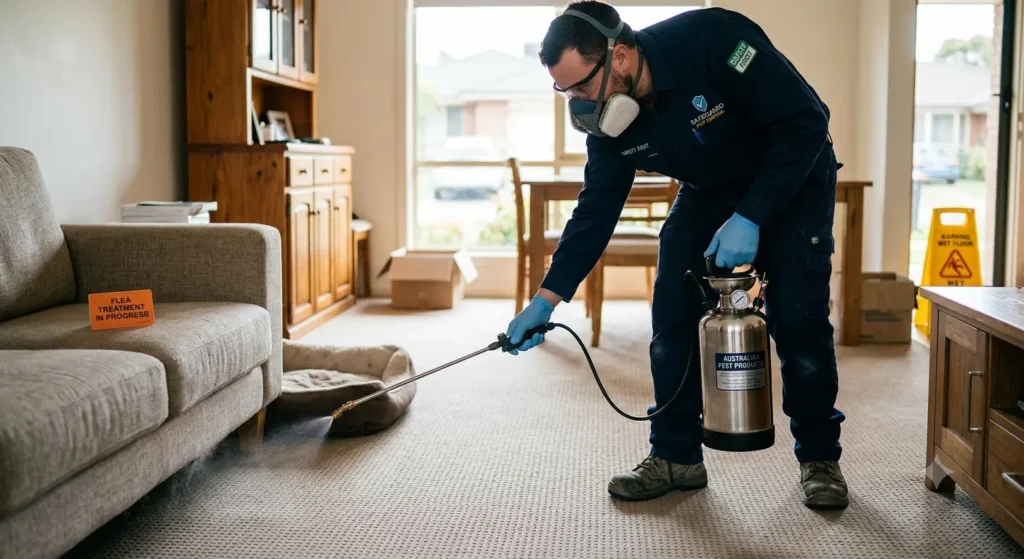
Upon completion of the inspection, technicians apply a selection of specially formulated products to homes and businesses to kill fleas. Treatments usually consist of residual insecticides and insect growth regulators that kill adult fleas and prevent young immature fleas from maturing into egg-laying adults. Carpets, rugs, upholstery, pet sleeping areas and any other areas where flea activity is located are treated. An outdoor treatment may be advised as well, if your pets go outside frequently. Professional flea pest control is conducted to the highest standards of safety within Australian guidelines using products specific for residential or commercial application and the severity of your infestation to ensure effective and safe control.
Safety During Treatment
Safety plays a key role in knowing what to do clearly when treating for fleas because many people live in the home that run the risk of their young children or pets or elderly family members being exposed. Your pest exterminator will provide detailed indications before proceeding with the treatment, such as when you should stay away from your premises until the next phase is done. Pets generally must be kept away until the treated areas are dry. Once the treated areas are safe to access, skilled cleaning professionals can assist with maintaining a hygienic indoor environment while following the technician’s aftercare recommendations. Knowing that you are doing all the right things will help you feel more confident in your efforts to protect your family and home. Your technician will also inform you of any temporary procedures related specifically to the products being applied.
Aftercare And Drying Time
Once the treatment is over, you should observe the after care instructions from your pest control company. Do not vacuum treated areas immediately because products on the floor will continue to kill fleas that jump off your pet for several days or weeks. Open windows if advised to have good ventilation in the room while the treated areas air dry. There may be a little residual flea activity during the first few days as newly hatched fleas also come in contact with the treated surfaces prior to dying. When you adhere to aftercare instructions, you’re helping to make sure that the treatment is providing lasting protection.
| Aftercare Task | Recommended Action |
| Re-enter property | Follow technician’s advice |
| Vacuuming | Wait for recommended period |
| Pet bedding | Replace with freshly washed bedding |
| Floor cleaning | Delay until advised |
| Monitor flea activity | Expect gradual reduction |
| Follow-up treatment | Arrange if recommended |
Results You Can Expect
Many homeowners anticipate an instant flea disappearance after treatment, but knowledge of the flea life cycle helps in setting expectations. Adult fleas generally start dying within minutes to hours after coming into contact with treated surfaces, but egg and larva development continues until they too come in contact with the treatment. This means that sporadic flea activity will continue for a few days until the infestation is fully under control. Complete eradication varies with the extent of the infestation, the condition of the property, and the diligent following through of the after-care, professional technicians often state. It is helpful to be patient at this time to Minimize unnecessary worry while the treatment is still effective.
Preventing Future Infestations
Even in case of successful extermination actions, it is imperative to keep taking some precautionary measures. For example, vacuum your carpeting on a regular basis, wash your pet’s bedding, and keep on administering flea treatments recommended by your veterinarian throughout the year for both dogs and cats. Furthermore, check your pets after they have been to a park or the beach as they may have picked up fleas. Regular flea pest control inspections also prevent potential problems from becoming major infestations, and protect your home and pets from having to contend with fleas ever again.
Conclusion
Awareness of flea treatment what to expect enables homeowners to confidently prepare for professional pest control application and also improves treatment outcomes. From meticulous preparation to thorough inspection under application of the product to aftercare, all of these stages are crucial in the eradication of fleas. Keeping your home clean is equally important, and 15 commonly missed spots when cleaning your home highlights overlooked areas where fleas can hide. Professional flea control offers specific treatments to attack the whole life cycle of the flea rather than just getting rid of the adult fleas you can see. By heeding expert advice, cleaning well, and safeguarding pets all year long, Australian homes can have a cleaner, healthier and more comfortable home free of the ongoing pain of persistent flea infestations.
Related Posts
Stains From Previous Tenant — Am I Responsible?
Stains from Previous Tenant Responsibility Have you shifted to a rented house and found carpet stains…
7 Unclean Areas You Most Likely Ignore While Cleaning
7 Unclean Areas You Most Likely Ignore While Cleaning Do you ever feel that your…
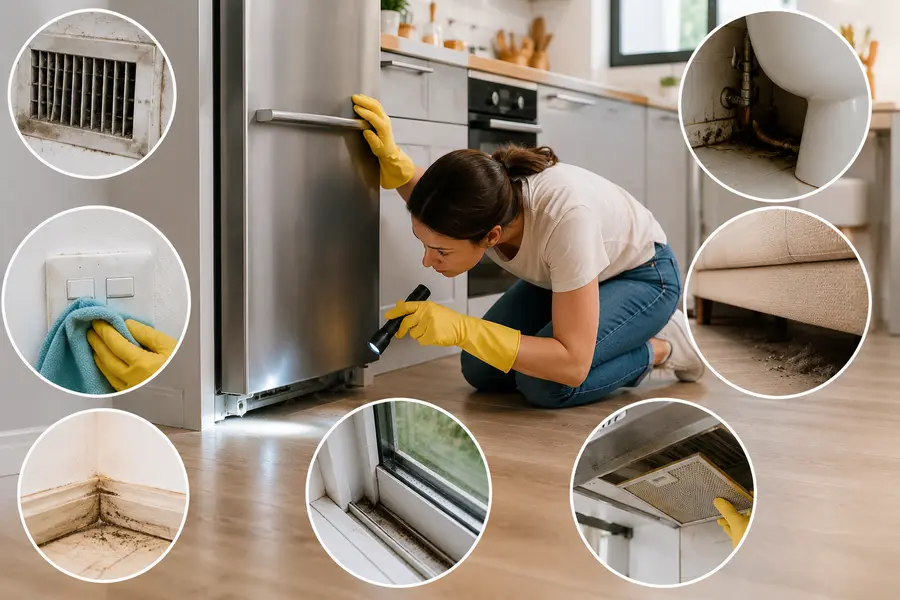
15 Commonly Missed Spots When Cleaning Your Home
Missed Cleaning Spots That Make Your Home Dirtier Vacuumed floors, cleaned seats, and surfaces that…