
Stains From Previous Tenant — Am I Responsible?
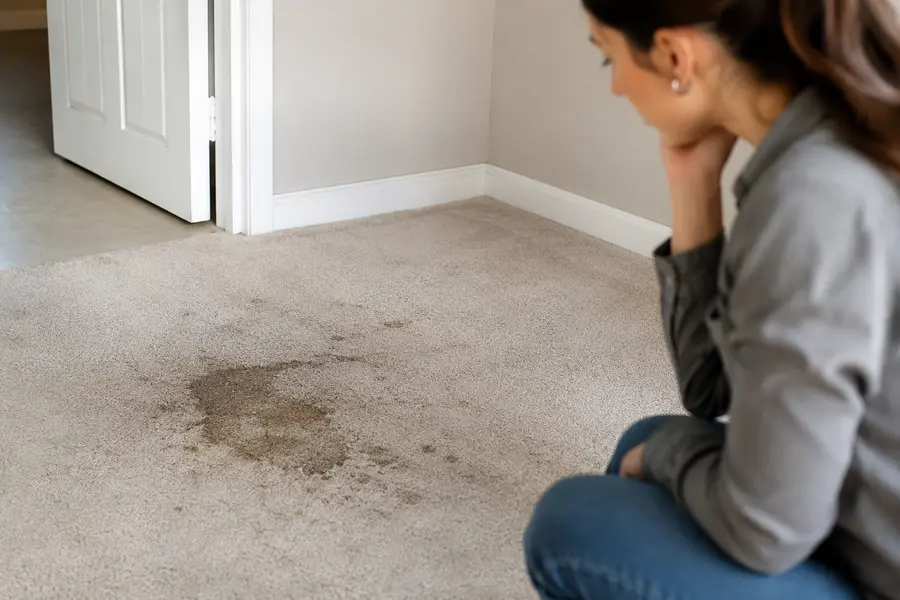
Stains from Previous Tenant Responsibility
Have you shifted to a rented house and found carpet stains are already speckling different corners of your rooms today, unexpectedly? Many renters feel puzzled when they come across stains, as they are unsure if they are responsible for older stains during rental agreements. Certain carpet damage seems to long precede the arrival of new tenants, yet the confusion which follows inspections on the part of both landlords and tenants certainly isn’t uncommon afterwards. Finding out your rights early means less you have to dispute with cleaning, and more of your money, your security deposit, and your overall rental ride stay on track.
1. Understanding Rental Carpet Problems
Carpets in rental homes are subject to constant buildup of dirt, furniture movement, food spills, and tenant-related damages during separate occupant terms. Some carpet stains are concealed beneath furniture, and only when new tenants move in and shift their items around do they find unpleasant carpet stains. Landlords may occasionally glance over small stains in inspections, as fading of older carpet discolouration naturally blends with surrounding fibres over time. The above circumstances generally lead to rental carpet stain problems as in between the two parties, as both parties find it difficult to cement the exact date of damage for the situation.
2. Checking Property Condition Reports
All tenants need to have a good look at the property condition report prior to signing rental agreements or receiving keys to the property from the landlords in person. This account of pre-warranty injuries, carpet stains, wall marks, broken fittings, and cleanliness is taken before the tenants move into rental homes. Tenants need to check all listed details on the actual room, since missed carpet stains will cause disputes during inspections later. Hurrying in the inspections leaves renters open to unfair allegations and helps set a baseline for what carpet damage the court of public opinion will see before the start of the occupancy.
3. Taking Clear Inspection Photographs
Photographs are proof and can be used to support a claim if there is a dispute about carpet stains, damages to property, or cleaning duties between a tenant and a landlord. Tenants are advised to take clear photographs as soon as they have been issued keys to a property, as visible timestamps make inspection evidence in rental negotiations much stronger. Close-up images of stain locations, colour differences in the carpet and furniture placement in the room form reliable records which can support a tenant’s claim against disputes. Videos may also provide a comprehensive record of your room, as the moving images allow you to capture more property features that are often missed by still photographs when you are conducting inspections.
4. Reporting Stains Immediately Afterwards
Tenants are advised to contact their landlords as soon as they notice stains because failure to do so often means disputes about who is liable when tenants leave. Whenever you notice stains on carpet, you should inform homeowners immediately and contact rug and carpet care services for professional cleaning support. Communicating in writing from the outset, like via e-mails, forms concrete evidence of notices before occupants’ presence distorts the darkness between stains and carpet enhancement in the future. Also, providing target imagery position dimensions and potential smells enables property proprietors to gauge the situation and prevalence more accurately while minimising misconceptions about an expected state of affairs regarding carpets below.
5. Knowing Fair Wear Rules
Most rental regulations distinguish between damage caused by tenants and normal wear because wear takes time; carpets wear over the years of normal household use. Past tenants, or time itself, often contribute to dull colours, crushed strands, and light dirt or blemishes in carpet. Landlords can’t charge renters for worn carpeting not caused by repeated use; landlords are partly responsible for upkeep, as indicated in rental contracts. Knowing fair wear rules empowers tenants to dispute unfair cleaning fees whenever carpet stains and age are factors in inspection conflicts.
6. When Tenants Become Responsible
Most damage to a property correlates to stained carpets and upholstery as a result of a spillage or ‘accident’ caused by the tenant during their stay, meaning they may be liable to reimbursement for professional treatments when they leave to ensure cleaner carpets in the future. If wine or coffee, ink or simply dirty shoes go unnoticed for a long period of time, this can cause discolouration of carpet fibres due to deep penetration of the liquid and a foul odour underneath furniture and carpets, which may then require expert cleaning to eradicate the problem.
7. Professional Cleaning Expectations Explained
Landlords often stipulate that professional carpeting be requested before the tenant’s leave, since the housing was being rented with animals during the rental period. Though the landlord cannot stipulate unwarranted replacement fees for carpets if the rentals were initially soiled before the recent tenants occupying these residences during the lease time periods. Thoroughly reviewing rental terms prevents renters from incurring unnecessary costs by understanding what tenants must do to prepare rentals for outgoing tenants, since imprecise phrasing can cause misunderstandings about when rental concerns need to be cleaned professionally.
8. Dealing With Inspection Disputes
Sometimes, final property inspections include arguments with landlords about stains that were still present in rental properties and were missed by tenants. During disputes related to these types of issues, tenants can brace themselves in knowing that they can carry further evidence like pictures taken during inspections, emails and descriptions written in condition reports to back up their cases about any pre-existing carpet damage. By relieving the heated argument in a balanced tone and keeping the conversation professional shows regard for the other party and then the documentary evidence on its own usually overpowers words more than conversations about rental disputes. In case of further disagreements, tenants may approach tenancy tribunals services to help mediate fairly between parties.
9. Preventing Future Carpet Problems
By Shelter in break, ‘carpet protection during unexpired rental tenure ‘ effectively lowers the level of future worry as the cleanliness of floors contributes toward tenants’ safety of getting ‘your money back’ when vacating. Coverings like rugs under seats or vegetation are permanently advisable items for tenancy. Also, another helpful guideline would be not wearing shoes inside the home to keep away from floor markings or irritants. On top of that, to prevent severe felting in weaving machines and running stripes, any stains on carpets should be promptly avoided and cleaned as soon as possible.
10. Communicating Clearly With Landlords
Good open dialogue helps avoid issues, as clarity will foster increased confidence with the tenancy and subsequent property checks. Tenants should always maintain courtesy when addressing carpet issues since respectful dialogue could bring amicable landlord solutions when cleaning duties have been handled efficiently. Written communication shall provide additional influence on any argument over cleaning or stain damage in the future. It’ll also enable tenants to preserve their relations with landlords should any floor disputes occur without creating unwarranted pressure leading up to the move.
11. Understanding Carpet Age Importance
Knowing how long Carpets have been laid is relevant to disputes, as the longer the flooring has been installed, the more it will cost to maintain, even if tenants have looked after it well from then on. Win-win tenancy regulations take the depreciation of carpets into account, as landlords realise it is unrealistic to get clean or replace 10-year-old carpets. Where Carpets have approached their ‘renew’ age before occupation, tenants are more equipped to argue later that excessive cleaning or replacement surcharges are unwarranted because of imperfections due to age.
Protecting Yourself Before Moving
Being cautious during departure: Tenants who plan, track, and produce professional documentation at the end of their lease period will be able to handle rental carpet stain disputes confidently without undue inconvenience or loss. Just as carpet stains matter, keeping oven glass clean after previous tenants is also important, which is why a complete guide to spotless oven glass every time can be helpful before moving out. Moves that are prearranged and well planned are less stressful and make argumentation easier when tenants and landlords deal with carpet stain evidence after leases have finished. Tracking carpet stains by noting the final state of rooms against initial inspection results and scheduling effective carpet cleaners will minimise conflicts over how carpets smelled and looked in rental units near the end of tenancies. Careful preparation, respectful communication, and strong documentation together help tenants handle carpet stains from previous tenant situations confidently while protecting financial security successfully.
Related Posts

Improve Your Mental Health with a Clean and Fresh Home
Clean Home Mental Health Benefits | Boost Mood & Well-Being Have you ever entered a…

How Many Hours Are Needed for a Complete House Cleaning?
How Long for Complete House Cleaning? Have you ever looked at a cluttered home and…

Flea Treatment — What to Expect on the Day
Fleas are small, but they can really overwhelm homeowners and renters in Australia. They get…